Identify plants from photos.
Use optional plant identification to suggest a name, scientific name, and family, then refine the record yourself.
 BloomScout
 Free for iPhone and Android
Identify plants. Record and share nature finds.
BloomScout helps you identify plants from photos, save field notes with exact locations, and share selected finds with private groups.


Private by default. Built for wildflowers, orchids, places, and small groups.
Product screenshots
BloomScout is built around fast find browsing, visual review, and detailed plant records you can return to later.
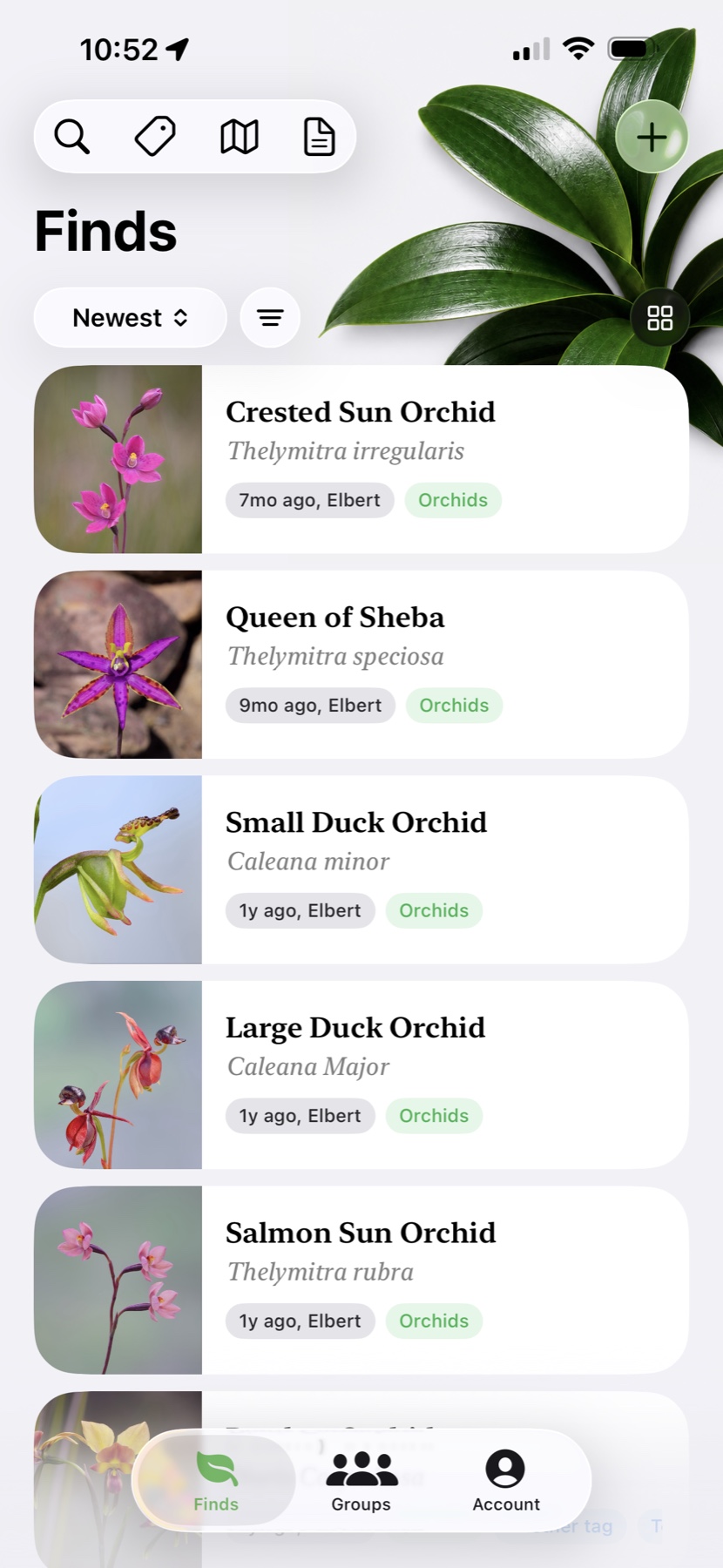
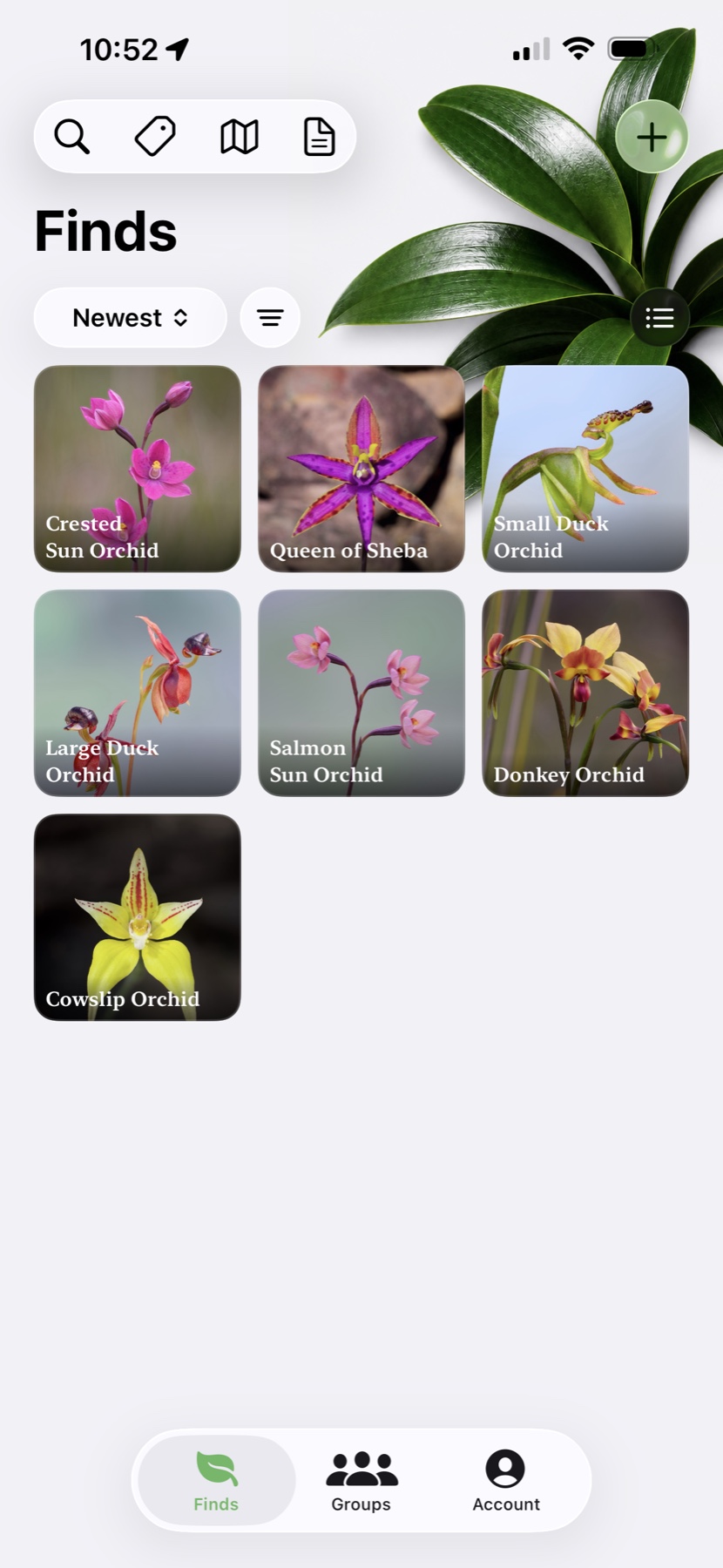
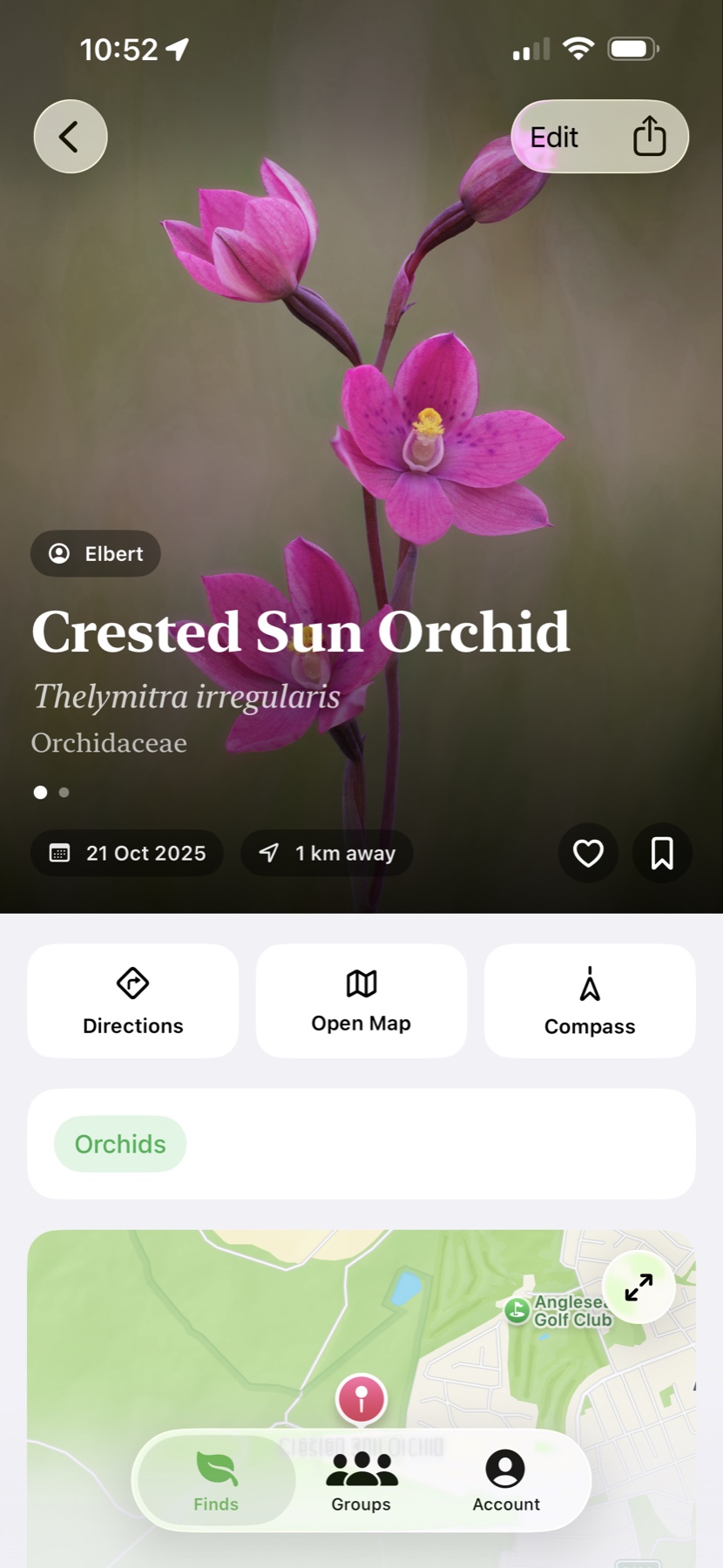
How BloomScout works
Identify plants, save the details you need later, and keep every find tied to its photos, notes, location, tags, and sharing context.
Use optional plant identification to suggest a name, scientific name, and family, then refine the record yourself.
Save photos, names, dates, counts, notes, tags, location notes, and exact coordinates before the details fade.
Use maps, directions, distance sorting, and compass tools to get back to a flowering orchid, survey point, or site marker.
Create groups for walking clubs, conservation teams, garden projects, or nature circles, then choose exactly which finds each group can see.
Who BloomScout is for
BloomScout is a private field notebook for identifying plants, recording wildflowers, orchids, weeds, and native species, and keeping track of other nature finds that are worth revisiting.
Identify plants from photos, then build a private map of seasonal finds, flowering times, favorite walks, and places worth revisiting.
Record native plants, weeds, habitat markers, treatment areas, follow-up notes, and shared observations from site visits.
Share selected plant and nature finds with a club, field trip, family group, or local botany circle without publishing sensitive locations.
Keep notes on specimens, plantings, propagation sites, nursery stock, local seed sources, and what is thriving in different places.
Track vegetation, weeds, flowering patches, revegetation areas, and places that need checking again over time.
Connect photos of plants, fungi, tracks, and other finds to exact places, dates, notes, tags, and context.
Plant and field workflows
BloomScout helps when a plant or nature find needs more than a name: location, context, revisits, sharing, and records you can search later.
Identify a plant, save the common and scientific name, then keep photos, notes, tags, dates, and location together.
Return to flowering patches, orchid sites, weed outbreaks, revegetation areas, or survey points when timing matters.
Create a group for a project, walk, or field trip, then share only the finds that belong with that group.
Tag records by species, area, status, flowering stage, treatment area, habitat type, or local project vocabulary.
Build a small searchable library of local plants, fungi, tracks, habitat notes, and places your group cares about.
Search or filter the records you need, then export the current view to CSV for reporting or offline review.
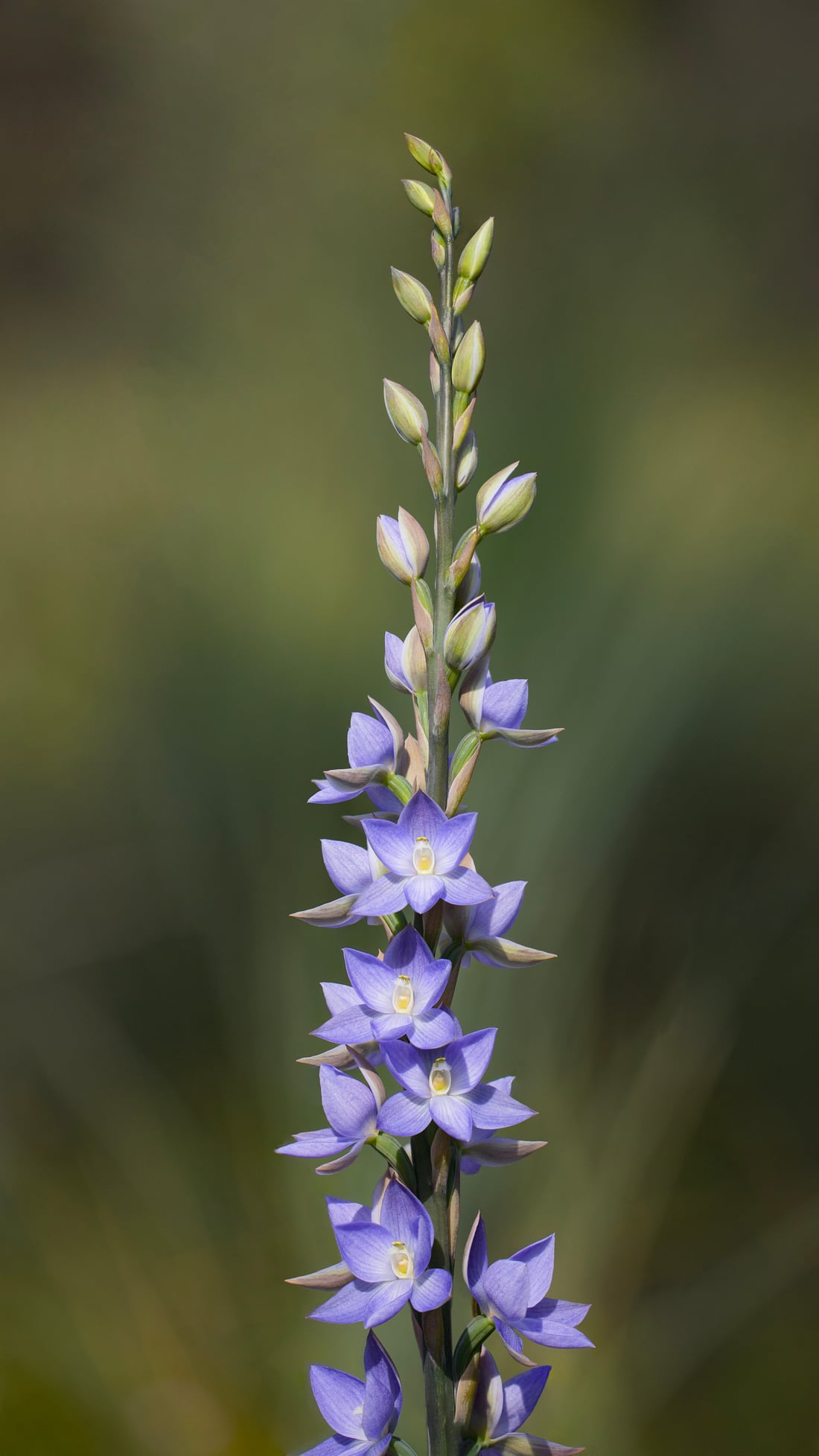
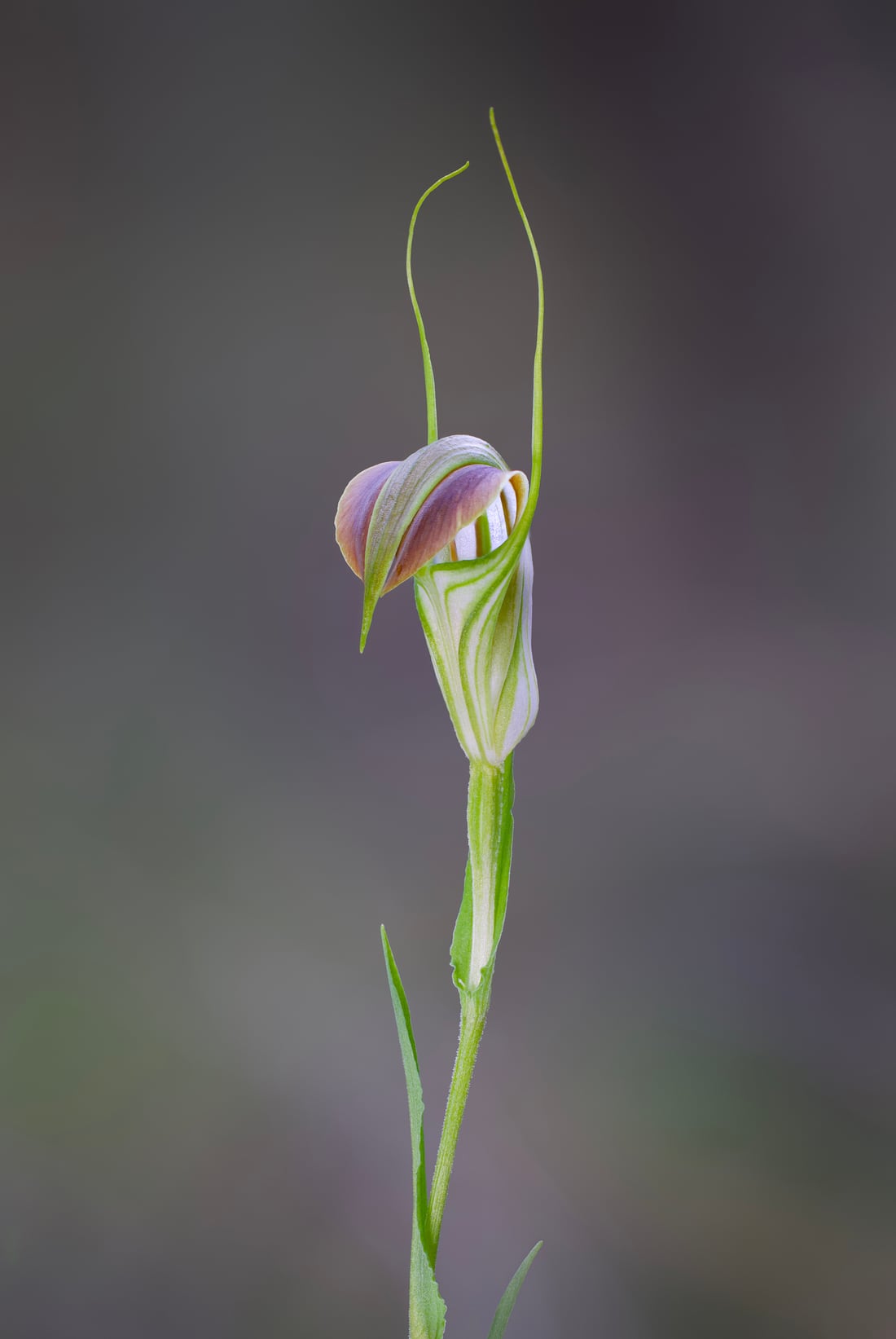
Example plant finds
BloomScout keeps plant photos connected to names, notes, tags, dates, exact places, and the people you choose to share with.
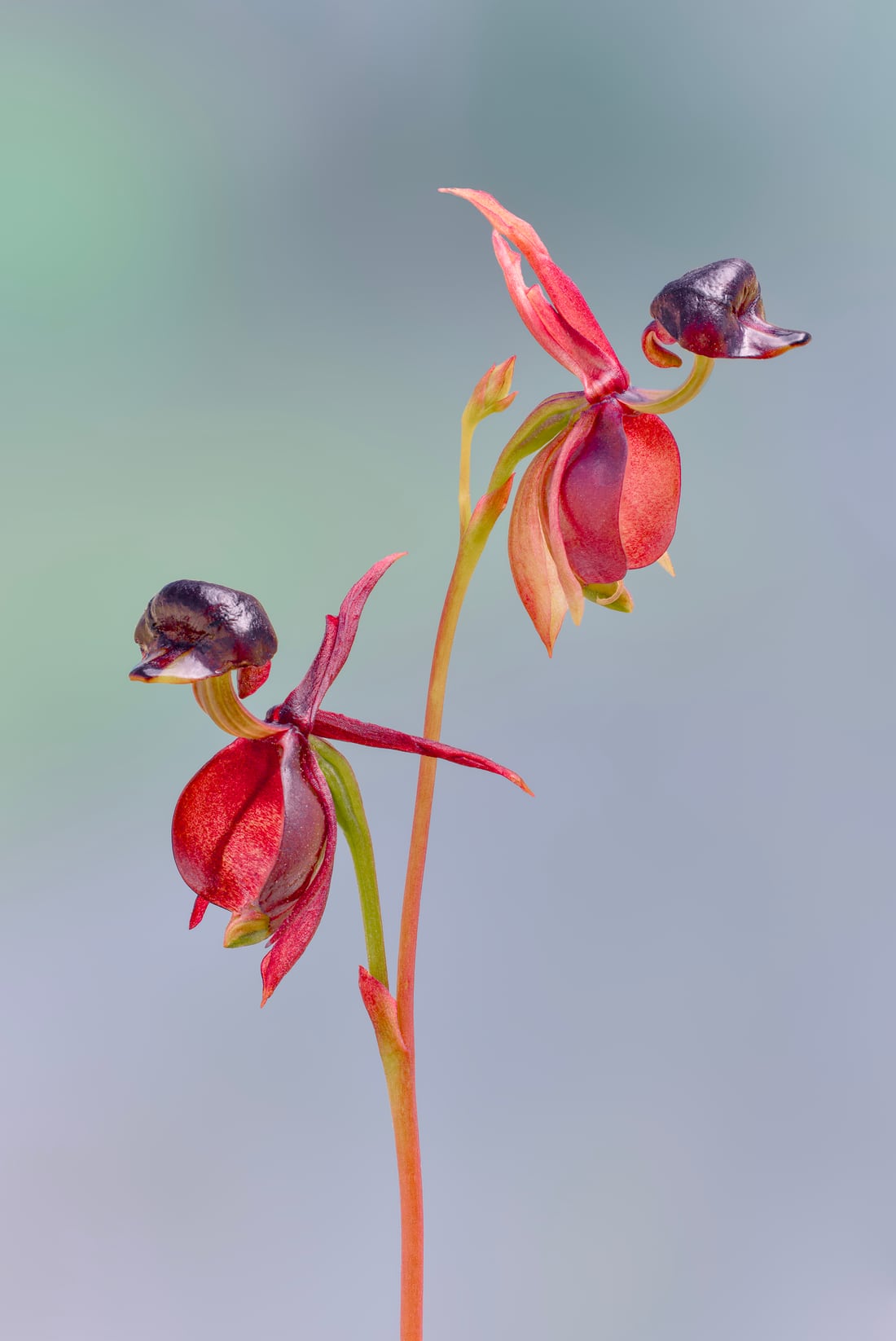
What each record keeps
A BloomScout record can start with a photo and a suggested plant name, then grow into a field note with location, dates, tags, sharing, and follow-up context.
Private sharing
Some plants are rare. Some places are personal. Some records only matter to a project group. BloomScout lets each find stay private or be shared with the right circle.
BloomScout is built for plant records and nature finds that should stay practical, searchable, and shared only with the people you choose.
Identify plants, save exact locations, and keep a private record of wildflowers, orchids, weeds, fungi, habitat notes, site visits, and anything outdoors worth finding again.